
Same Musang King Seed, Different Fruit: Why Not All Algae Is the Same
"It's algae, it's natural, it must be good." That's what most of us think when we see a green bottle on our parents' shelf. It's not that simple.
1. "Algae" on a label can mean two completely different things
Chlorella is a single-celled green alga. Spirulina, often sold next to it as "blue-green algae", is actually a cyanobacterium, a different kind of organism altogether.
2. Some blue-green algae products have been found carrying toxins
This is the part most people never hear. Some blue-green algae products, especially those harvested from open lakes and ponds, have been found to contain microcystins, toxins that can affect the liver. Not every product, but enough that where and how algae is grown matters more than the word "natural" on the box.
3. Even within chlorella, strains are different
There are many strains of chlorella, and they differ in their cell wall, their taste and how they're grown. CR III uses one specific strain: Chlorella sorokiniana W87. Just like the Musang King seed, even the same strain can give a different result in a different grower's hands.
4. It started with one man and his inheritance in 1967
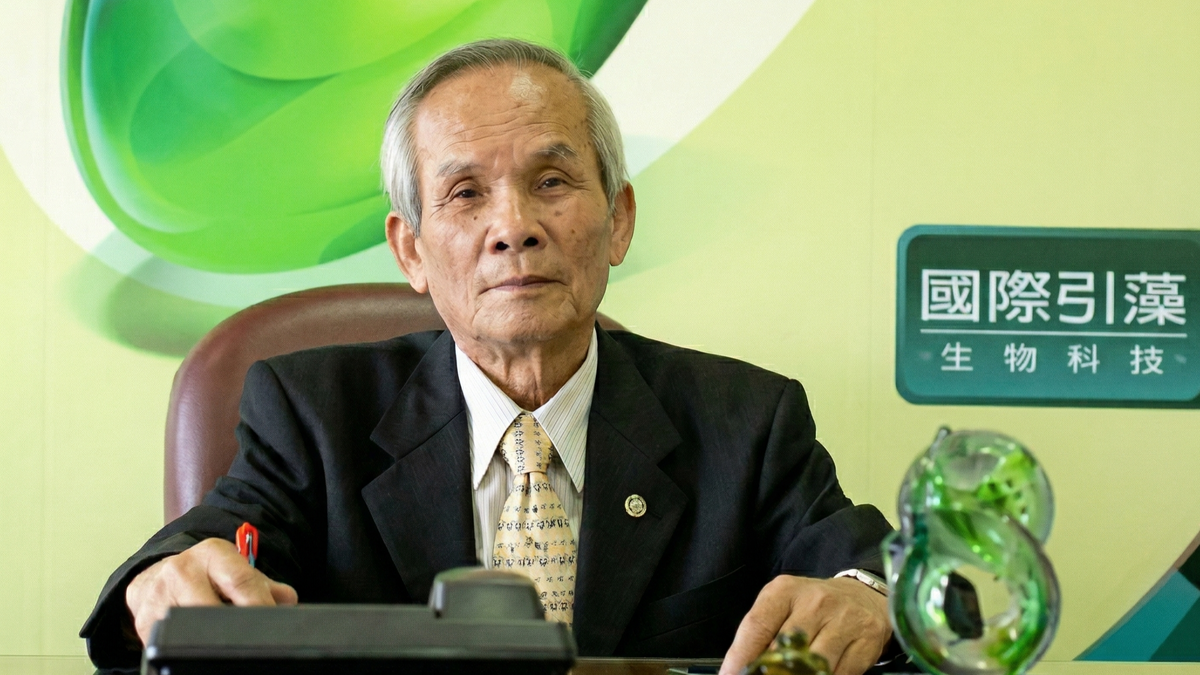
Dr. Wang Shun-Te
In 1967, in Chang Hua, Taiwan, Dr. Wang Shun-Te began cultivating algae, paid for entirely from his personal inheritance. Neighbouring farmers dismissed him. Decades of work later, the W87 strain became the base of CR III, now on the market in Taiwan for more than 30 years and in Singapore for more than 10.
5. What it takes to earn a Taiwan health food permit
CR III holds Taiwan Health Food permit A00066. To get a permit like this, a product must submit safety and function evaluation data to Taiwan's Food and Drug Administration for review, and anyone can check the listing. LT International also holds a current halal certificate.
Picture this instead
Knowing exactly what your parents eat every day: who grew it, where, and who to call when you have a question.
Try this tonight: pick one product on your parents' shelf and look for three things: the grower's name, the country, and a registration number you can check. If any one is missing, ask us about it.
Read the plain facts about LT, or talk to us first on WhatsApp.
